en English
ar Arabic zh-CN Chinese (Simplified) zh-TW Chinese (Traditional en English hi Hindi it Italian ko Korean pt Portuguese es Spanish vi Vietnamese

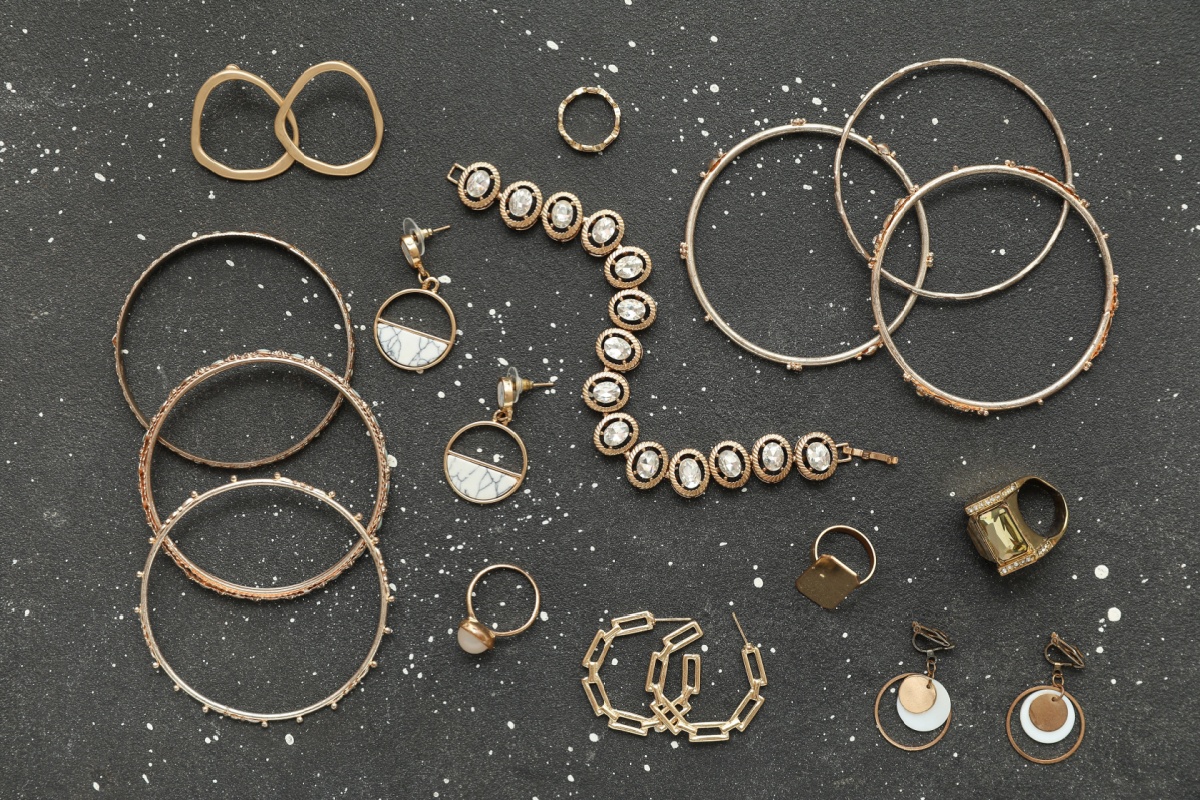
Discovering a box of inherited jewelry can be an emotional journey filled with memories. Each piece often carries a story, like a grandmother’s engagement, a father’s signature timepiece, or a celebratory gift from a generation past. However, this experience can also become quickly overwhelming when you don’t know the true value of the pieces you now hold. It is common to feel a sense of “valuation paralysis,” where the fear of making a mistake leads to these items being tucked away in a drawer rather than being put to use. To avoid letting precious metals or rare gemstones sit undervalued or unprotected, you need to understand the professional process of identifying and valuing estate jewelry. (more…)

5 Myths About Pawn Shops

Pawn shops have existed for centuries, yet many people still picture them through an outdated lens. Television shows and old stereotypes often paint pawn shops as dimly lit places filled with questionable deals and hurried negotiations. In reality, modern pawn shops operate very differently. Today’s reputable pawn businesses follow strict regulations, maintain transparent processes, and place a strong emphasis on customer service.

Many customers throughout Quincy, MA, and the Greater Boston area are often surprised when they step into a modern pawn shop and see how professional and welcoming the environment can be. At high-end establishments like The Jewelers Coin & Loan Co., customers encounter knowledgeable staff, carefully evaluated items, and a clean retail space that feels more like a fine jewelry store than the pawn shops many people imagine.

Unfortunately, a number of persistent myths still cause confusion about how pawn shops actually operate. Let’s take a closer look at five common myths about pawn shops and the truth behind them.

Myth #1: Pawn Shops Only Deal With Stolen Goods

One of the most widespread misconceptions about pawn shops is that they primarily deal in stolen merchandise. This myth likely stems from older portrayals in movies or on television. In reality, legitimate pawn shops operate under strict local and state regulations designed specifically to prevent stolen goods from entering the market.

Reputable pawn shops follow detailed procedures when purchasing or accepting items as collateral. Customers must present valid identification, and transactions are carefully documented. Many pawn shops also work closely with local law enforcement, reporting transaction records and item descriptions to ensure transparency.

These safeguards protect both the pawn shop and the customer. When you buy an item from a respected pawn shop, it has typically been evaluated, documented, and verified before it ever reaches the display case. Professional pawn shops have every incentive to maintain a strong reputation, so they take theft prevention very seriously.

Myth #2: Pawn Loans Hurt Your Credit Score

Another common misunderstanding is that using a pawn loan will negatively affect your credit score. In truth, pawn loans do not impact your credit at all.

Unlike traditional bank loans, pawn loans do not require a credit check. Instead of relying on credit history, the loan is based on the value of the item you bring in. Jewelry, coins, designer goods, and other valuables can serve as collateral for a short-term loan.

Because the loan is secured by the item itself, your credit score remains completely unaffected. If you repay the loan within the agreed timeframe, you simply receive your item back. If you choose not to repay the loan, the pawn shop keeps the item to recover the loan value. The process remains entirely separate from your credit history.

Myth #3: Pawn Shops Offer Unfair Prices

Some people believe pawn shops always offer extremely low prices for items. While it’s true that pawn shops must operate as businesses, reputable shops aim to provide fair and competitive evaluations based on current market values.

Professional pawnbrokers rely on experience and research to determine an item’s worth. Factors such as precious metal content, gemstone quality, brand reputation, condition, and current market demand all influence an item’s value.

At high-end pawn shops like The Jewelers Coin & Loan Co., evaluations are conducted by experienced professionals who specialize in luxury goods, fine jewelry, and collectibles. Their goal is to create a fair transaction that benefits both parties. Customers receive immediate cash for their valuables, and the pawn shop gains quality inventory to offer future buyers.

Transparency plays a major role in these evaluations. Customers can ask questions, understand how an item’s value is determined, and feel confident they are receiving a fair offer.

Myth #4: Pawn Shops Only Accept a Few Types of Items

Many people assume pawn shops only accept certain items, such as old tools or electronics. In reality, modern pawn shops often specialize in high-value luxury goods and collectibles.

While inventory varies by shop, many pawn businesses regularly evaluate items such as:

This variety allows customers to turn many types of valuables into quick cash or explore opportunities to purchase high-quality items at competitive prices.

Myth #5: Pawn Shops Are Unsafe or Unprofessional

Perhaps the most outdated myth is the belief that pawn shops are unsafe or poorly run. In truth, reputable pawn shops are highly regulated businesses that prioritize professionalism and security.

Modern pawn shops often maintain clean, well-organized retail spaces and secure storage areas for valuable items. Staff members are trained to handle luxury goods with care and to treat customers with respect.

At a high-end pawn shop, the experience often feels similar to visiting a fine jewelry store. Customers can browse carefully displayed pieces, speak with knowledgeable staff members, and receive clear explanations about the buying, selling, or pawn loan process.

Security is also taken seriously. Valuable items are protected through surveillance systems, secure storage practices, and controlled transaction procedures.

Why Choosing a Reputable Pawn Shop Matters

Not all pawn shops offer the same level of expertise or customer service, which is why choosing a trusted establishment is so important. A reputable pawn shop provides knowledgeable evaluations, transparent pricing, and a welcoming environment where customers feel comfortable asking questions.

At The Jewelers Coin & Loan Co. in Quincy, MA, customers experience a higher standard of service. Our shop combines the elegance of a fine jewelry store with the convenience of professional pawnbroker services. Whether you are selling jewelry, browsing pre-owned luxury pieces, or exploring a pawn loan, our team focuses on fairness, professionalism, and respect.

We carefully evaluate items such as diamonds, gold, platinum, coins, and designer goods, ensuring customers receive accurate assessments and competitive offers. Our clean, organized environment and experienced staff help create a stress-free experience for anyone interested in buying, selling, or pawning valuables.

If you’re curious about the value of an item, searching for a beautiful piece of pre-owned jewelry, or considering a pawn loan, our team is here to help. Customers throughout Quincy and Boston’s South Shore trust The Jewelers Coin & Loan Co. for honest evaluations, luxury resale opportunities, and professional pawn services. Visit us today or contact our team to learn more about how we can assist you.

What Happens If You Don’t Pay Back a Pawn Loan?

Pawn loans are one of the fastest and simplest ways to access cash. There’s no lengthy application, no waiting for bank approval, and no credit check required. For many people in Quincy, MA, that convenience is exactly what makes pawn loans appealing.

At the same time, it’s completely normal to hesitate. What if something unexpected happens and you can’t repay the loan on time? Will your credit be affected? Will you be sent to collections? Will you lose your item permanently?

Understanding how pawn loans work — especially what happens if you don’t repay them — helps you feel confident before you ever sign an agreement. When you know the process ahead of time, you avoid surprises and can make informed financial decisions tailored to your situation.

How Pawn Loans Work

A pawn loan is a secured loan. That means you bring in an item of value — such as gold jewelry, a diamond ring, a luxury watch, rare coins, or a designer handbag — and the pawn shop evaluates it. Based on the item’s value, you’re offered a cash loan.

If you accept the offer, you receive cash on the spot. Your item stays safely stored with the pawn shop as collateral for the duration of the loan. Unlike traditional loans, pawn loans do not require:

The collateral secures the loan, which is why the process is so straightforward. You can learn more about how pawn loans work here.

How Repayment Terms Are Structured

When you take out a pawn loan, you’ll receive clear terms outlining:

To get your item back, you repay the loan amount plus any agreed-upon interest and fees within the specified timeframe. Some pawn shops also offer renewal or extension options, allowing borrowers to pay the interest and extend the loan period. Policies vary, which is why it’s important to review the terms carefully and ask questions before finalizing the agreement.

Transparency is key. A reputable pawn shop will explain the repayment structure clearly so you know exactly what to expect.

Do Pawn Loans Affect Your Credit?

One of the biggest concerns borrowers have is whether a pawn loan will show up on their credit report. In most cases, pawn loans do not affect your credit. Here’s why:

Because the loan is secured by your item, the pawn shop’s protection comes from the collateral — not from pursuing collections or reporting to credit agencies.

This makes pawn loans very different from personal loans or credit cards. Your credit score generally remains unaffected whether you repay the loan or choose not to redeem your item.

What Happens If You Can’t Repay a Pawn Loan?

If you’re unable to repay the loan within the agreed timeframe, the process is usually straightforward. The pawn shop keeps the collateral item. That’s it. You are not sent to collections. You are not sued for repayment. You are not pursued for additional money beyond the collateral.

Because the loan was secured by your item, the pawn shop recovers its funds by selling it. There is no additional financial obligation beyond forfeiting the collateral.

While losing a valuable item may be disappointing, it does not lead to further financial consequences. There’s no growing debt or ongoing impact to your credit history.

Are Extensions or Renewals Possible?

In many cases, yes. Pawn shops often allow borrowers to extend or renew their loans, provided certain conditions are met. Typically, this may involve:

Policies vary depending on local regulations and the specific pawn shop. That’s why communication matters.

If you anticipate difficulty repaying on time, reach out before the due date. Open communication with your pawnbroker can make a significant difference. Waiting until after the loan expires may limit your options.

Can You Get Your Item Back After the Loan Expires?

This depends on timing and local policies. Once a pawn loan expires and any applicable grace period has elapsed, ownership of the item generally transfers to the pawn shop. At that point, the shop may prepare the item for sale.

In some cases, if you contact the shop immediately after expiration and the item has not yet been processed for resale, there may be limited opportunities to redeem it. However, this is not guaranteed.

Massachusetts regulations govern certain aspects of pawn transactions, and reputable shops follow those guidelines closely. If your item is especially meaningful, staying aware of your due date and communicating early is essential.

How to Avoid Losing Your Collateral

Pawn loans can be incredibly helpful, but responsible borrowing is always important. Here are a few practical ways to reduce the risk of forfeiting your item:

Borrow Only What You Can Repay

Just because an item qualifies for a higher loan amount doesn’t mean you need to take the maximum offer. Consider what you’ll realistically be able to repay within the term.

Understand the Loan Terms Fully

Before signing, review the interest rate, fees, due date, and total repayment amount. Ask questions if anything is unclear.

Mark Your Due Date

Set reminders on your phone or calendar so the repayment date doesn’t sneak up on you.

Ask About Renewal Options

If you anticipate needing extra time, ask in advance about extension policies.

Inquire About Interest-Free Options

Some pawn shops offer special interest-free pawn loans under certain circumstances. It never hurts to ask what options are available.

Why Choosing the Right Pawn Shop Matters

Not all pawn shops operate with the same level of professionalism or transparency. Working with a trusted, high-end pawn shop makes a significant difference in your experience.

At The Jewelers Coin & Loan Co. in Quincy, MA, we believe in clear communication and fair evaluations. Our team carefully assesses items such as:

We explain loan terms in detail so you understand your options from the beginning. Your valuables are stored securely throughout the loan period, and our goal is to make the process feel comfortable and straightforward.

A pawn loan should provide relief, not confusion. That’s why professionalism and transparency matter. If you’re considering a pawn loan in Quincy, MA, or the surrounding Greater Boston area, visit The Jewelers Coin & Loan Co. or schedule a private appointment. Our experienced team is here to answer your questions, provide fair offers, and ensure you feel confident every step of the way.

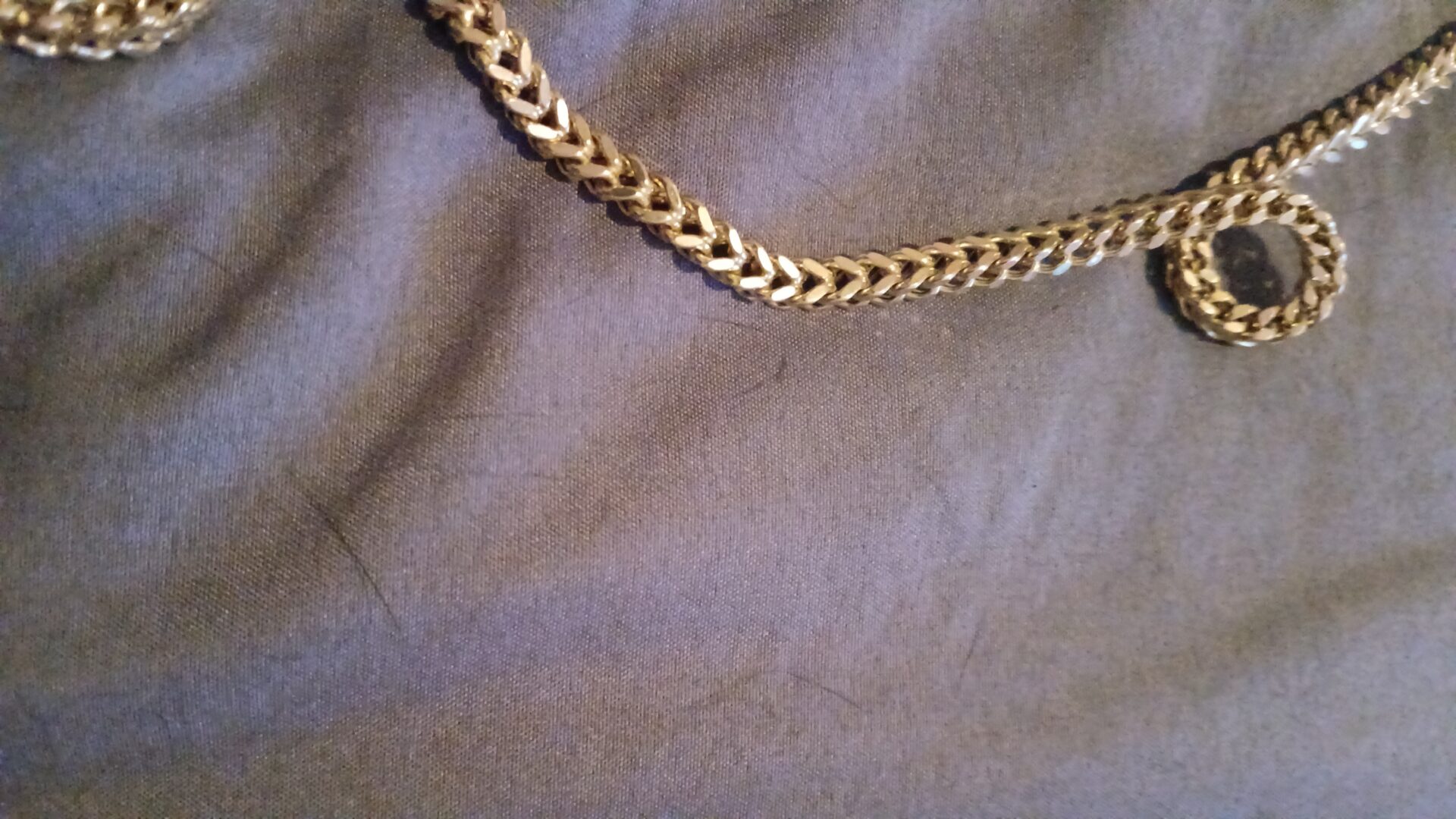
Whether you inherited gold items from a loved one or splurged on yourself once upon a time, you may be interested in parting with a few pieces of jewelry. When you’re getting ready to sell your gold jewelry, one of the first things you need to do is ensure the jewelry is made from real gold, not just fool’s gold. While you can’t tell at first glance whether a ring, necklace, or bracelet is real gold, you can try a few at-home tests to confirm your suspicions.

(more…)

If you weren’t a stamp collector before inheriting a whole collection, you might be quite unfamiliar with the world of philately. Luckily, several resources are available to help you navigate the process of collecting and managing stamps. Here’s everything you need to know about valuing and selling your inherited stamp collection.

(more…)

Who said you have to propose with a diamond engagement ring? The love you share with your future spouse is unique, and your proposal should reflect this special bond. As you prepare to get down on one knee, don’t be swayed by societal pressures to purchase a diamond ring if you feel it doesn’t best represent the journey you and your partner have gone through together. Instead, consider proposing with one of these great alternatives to a traditional engagement ring.

(more…)

If you’ve recently inherited a rare coin collection from a family member or close friend, you may be feeling overwhelmed right now by the task at hand. You did not intentionally become a coin collector and do not plan on pursuing this hobby in the future, so now you have to sell items you know little about. Fortunately, you are not alone. As experienced coin buyers in MA, we can help you organize and value your old estate coin collection. Follow these tips for preparing your coins for sale.

(more…)

Have you recently inherited a silver tea set from your great-grandmother or purchased one from a yard sale or flea market? Perhaps, you were told the set is real silver, but you have your doubts. We can help you assuage these worries with a few techniques for determining the authenticity of your antique silver tea set.

(more…)

The presence of digital currency has taken over, and for those fascinated by the ambiance of collecting and selling old rare coins or paper currency, you should definitely stock up on all you can find. If you’re fascinated with collecting paper money, odds are you have a few tricks up your sleeve to handle and care for your collection. Every notaphilist knows that if you want your collection efforts to last a long time, adequate storage and care are the first steps you should take. 

(more…)

Maybe you’ve gotten tired of the design and want something that works better with a new style you’re trying out. Or perhaps you just want to see how much you can get for the bag that’s been sitting in your closet for a few months with no use. Either way, pricing your Louis Vuitton product can be confusing, with all the many ways your item can appreciate and depreciate. This guide can help you identify the value of some Louis Vuitton items to help you decide what to do with your products.

(more…)

What do you get for the woman who dedicated her life to raising you? Your mother deserves only the best — whether that’s the best luxury handbag or the finest piece of gold jewelry. If you’re experiencing a cash-strapped year, don’t worry! You can still give your mom the perfect gift without going over your budget! This Mother’s Day, consider shopping at your local pawn shop in Massachusetts. At The Jewelers & Loan Co., we offer great prices on the items moms love most.

(more…)

Many brides and grooms-to-be fall prey to the marketing scheme that they must pay at least two months’ salary on a new diamond engagement ring. By believing this sentiment, they may be forced to go into debt or settle for a ring that they only sort of like.

(more…)