 English
 Arabic
 Chinese (Simplified)
 Chinese (Traditional
 Hindi
Hindi
 Italian
 Korean
 Portuguese
 Spanish
 Vietnamese
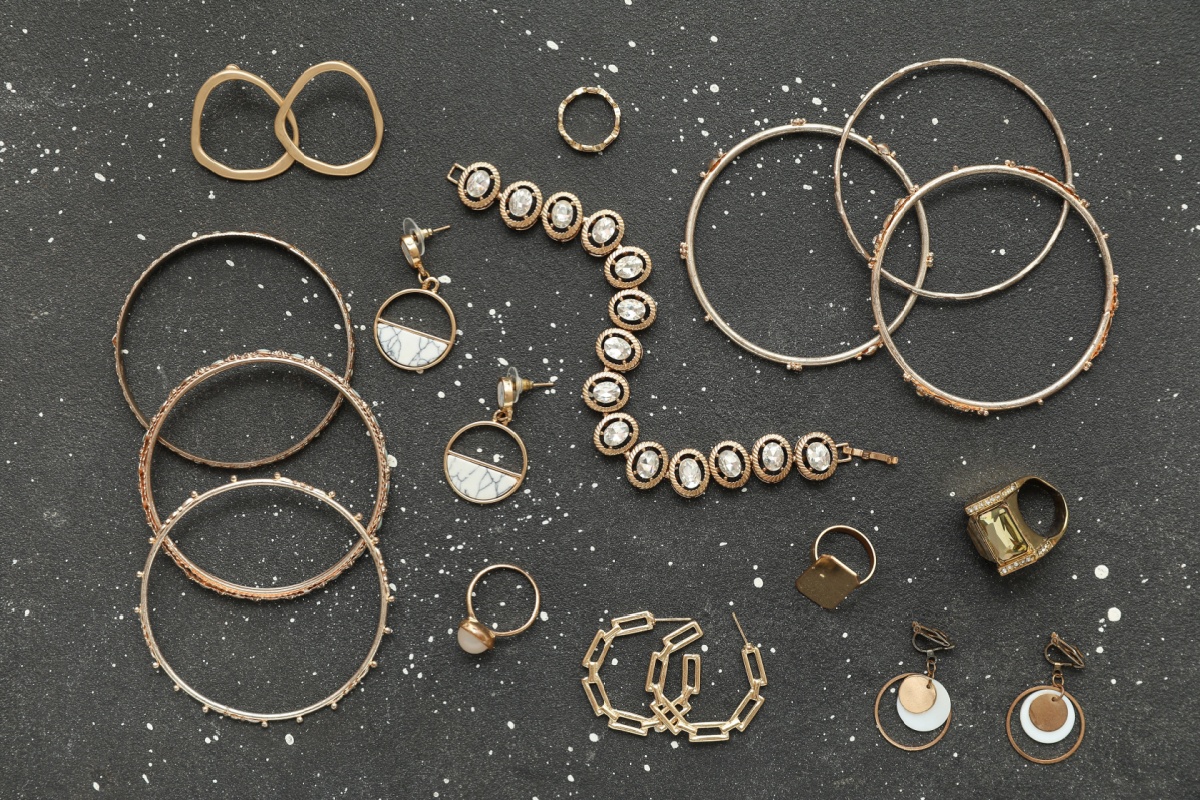
Discovering a box of inherited jewelry can be an emotional journey filled with memories. Each piece often carries a story, like a grandmother’s engagement, a father’s signature timepiece, or a celebratory gift from a generation past. However, this experience can also become quickly overwhelming when you don’t know the true value of the pieces you now hold. It is common to feel a sense of “valuation paralysis,” where the fear of making a mistake leads to these items being tucked away in a drawer rather than being put to use. To avoid letting precious metals or rare gemstones sit undervalued or unprotected, you need to understand the professional process of identifying and valuing estate jewelry.
At The Jewelers Coin & Loan Co., we specialize in helping families navigate these collections with transparency and precision. Whether you intend to keep these pieces in the family, split an estate among heirs, or convert the collection into immediate cash, moving from guesswork to a professional evaluation is the only way to protect your interests.
Decoding the Marks: Identifying Hallmarks and Designer Stamps
The first step in assessing any collection is a close visual inspection for “hallmarks.” Most fine jewelry manufactured in the last century contains small stamps, usually hidden on the inside of a ring band, the clasp of a necklace, or the back of a pendant. These tiny engravings are the primary indicators of an item’s composition and origin.
What to Look For:
- Gold Purity: Look for stamps like 10k, 14k, or 18k. You might also see decimal equivalents such as .585 (14k) or .750 (18k).
- Platinum and Silver: Platinum is often marked as PLAT or 950PT, while sterling silver will almost always bear the .925 or Sterling stamp.
- Designer Maker’s Marks: An inherited piece can jump significantly in value if it bears a designer stamp. Marks from houses like Tiffany & Co., Cartier, Van Cleef & Arpels, or Rolex mean you aren’t just looking at the value of the raw materials; you are looking at brand prestige that commands a premium in the Boston estate market.
Identifying these marks helps you separate “costume” jewelry from “fine” jewelry, allowing you to prioritize the items that require professional verification.
The Science of Certainty: The Advantage of X-Ray Metal Testing
In the past, the only way to test gold purity was an “acid scratch test,” which involved rubbing the jewelry against a stone to leave a metal sample. While common, this method is slightly destructive and can be prone to human error.
At The Jewelers Coin & Loan Co., we provide a more advanced solution: X-Ray Fluorescence (XRF) technology. This allows us to perform a completely non-destructive, 100% accurate analysis of your jewelry’s metal purity. By sending a safe X-ray beam through the metal, our equipment reads the item’s elemental signature in seconds.
This technology is a vital tool for inherited collections because it can instantly identify “under-karated” gold or distinguish between high-quality plating and solid gold without damaging the piece. We provide you with hard data on exactly how much gold, silver, or platinum is in your jewelry, ensuring your offer is based on science rather than an estimate.
Fair Market Value vs. Insurance Appraisals
One of the biggest points of confusion for families handling an estate is the discrepancy between different types of “value.” You may find an old insurance appraisal in the box that lists a ring at $5,000, only to find that a buyer offers a different figure. It is important to understand why these numbers vary.
- Insurance Appraisal (Replacement Value): This is the cost to buy a brand-new equivalent in a high-end retail store today. It includes the highest retail markup, marketing costs, and labor. It is a “top of the market” number used for coverage, not a reflection of what someone will pay you for it.
- Fair Market Value (Liquidation Value): This is the actual price a transparent buyer will pay you in cash today. It is based on the current “spot price” of precious metals and on secondary-market demand for gemstones.
When evaluating a collection in the Greater Boston area, we focus on providing a “real-world” number that reflects the immediate liquidity of your items, helping you make informed decisions without the confusion of inflated retail appraisals.
Assessing Diamonds and Gemstones
The final step in evaluating a collection involves the stones. Diamonds are traditionally evaluated using the 4Cs: Carat, Cut, Color, and Clarity. However, with inherited jewelry, the “cut style” is also a major factor.
The Boston market has a high demand for “Old European” and “Old Mine” cut diamonds. These stones were hand-cut decades ago and possess a unique character and “fire” that modern machine-cut stones often lack.
Beyond diamonds, we look for the “Big Three”: Rubies, Sapphires, and Emeralds. We assess whether these stones are natural, synthetic, or heat-treated. Because the gemstone market fluctuates based on rarity and origin, having an expert eye evaluate your stones ensures that a rare, high-quality gemstone doesn’t get overlooked as a common colored stone.
Why Partner with The Jewelers Coin & Loan Co.?
When you are ready to move from curiosity to a formal evaluation, partnering with a true local pawnbroker and jewelry expert is essential. Unlike “pop-up” buyers at hotel ballrooms or faceless online mail-in services, The Jewelers Coin & Loan Co. offers a professional, low-pressure environment where you are treated with respect.
With our deep roots in the Quincy community, we understand that we aren’t just looking at gold and stones; we are looking at your family’s history. We take the time to explain the results of our X-ray testing and provide an honest assessment. Whether you are looking for a pawn loan to bridge a financial gap or wish to sell the collection to settle an estate, we provide the transparency you deserve.
We encourage residents throughout Quincy, the South Shore, and the Greater Boston area to visit The Jewelers Coin & Loan Co. today. Let us help you determine the true value of your items with the accuracy, technology, and care your family’s legacy deserves. Schedule a private appointment at our Quincy shop for a professional, transparent evaluation of your inherited collection.